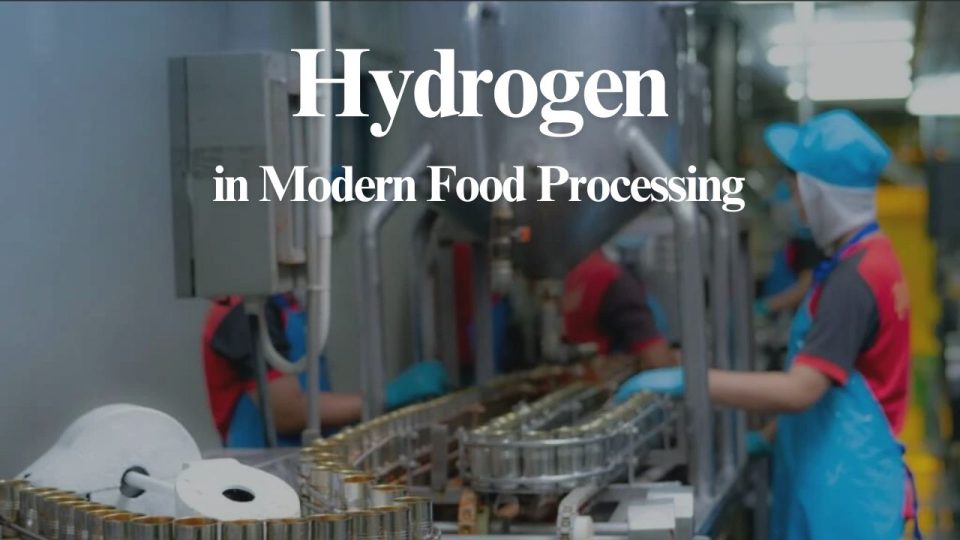
Hydrogen in Modern Food Processing
Hydrogen has become an increasingly important element in modern food processing due to its unique chemical properties, versatility, and compatibility with sustainable manufacturing. One of its oldest and most established uses is in the hydrogenation of fats and oils, where hydrogen reacts with unsaturated fatty acids to improve texture, stability, and shelf life. Although concerns over trans fats led to improved techniques such as full hydrogenation and enzymatic modification, hydrogen remains essential to these fat-structuring processes. Beyond hydrogenation, hydrogen is used as a reducing agent to stabilize flavors, vitamins, and sensitive compounds that degrade in oxygen-rich environments. Hydrogen also plays an important role in packaging systems, particularly in leak detection for modified atmosphere packaging, where hydrogen’s small molecular size allows rapid identification of micro-leaks. Another emerging field involves hydrogen-based plasma technologies, which generate reactive hydrogen species capable of destroying harmful microorganisms on food surfaces without heat or chemical residues. In thermal processing, hydrogen’s high thermal conductivity is being studied to improve sterilization efficiency while preserving food quality. A major future frontier lies in hydrogen-powered energy systems for food factories. When produced from renewable sources, hydrogen offers a carbon-neutral alternative to natural gas in ovens, boilers, pasteurization units, and drying systems. Hydrogen is also relevant to biotechnology, where hydrogen-oxidizing bacteria convert hydrogen and carbon dioxide into protein-rich biomass. Additionally, hydrogen-rich beverages and functional products are emerging niche markets. Despite safety challenges and the cost of hydrogen infrastructure, the rapid scaling of green hydrogen production positions hydrogen as a powerful tool for decarbonizing the global food industry. Its expanding applications—from microbial control to energy storage—highlight hydrogen’s role in shaping safer, cleaner, and more technologically advanced food manufacturing systems.
