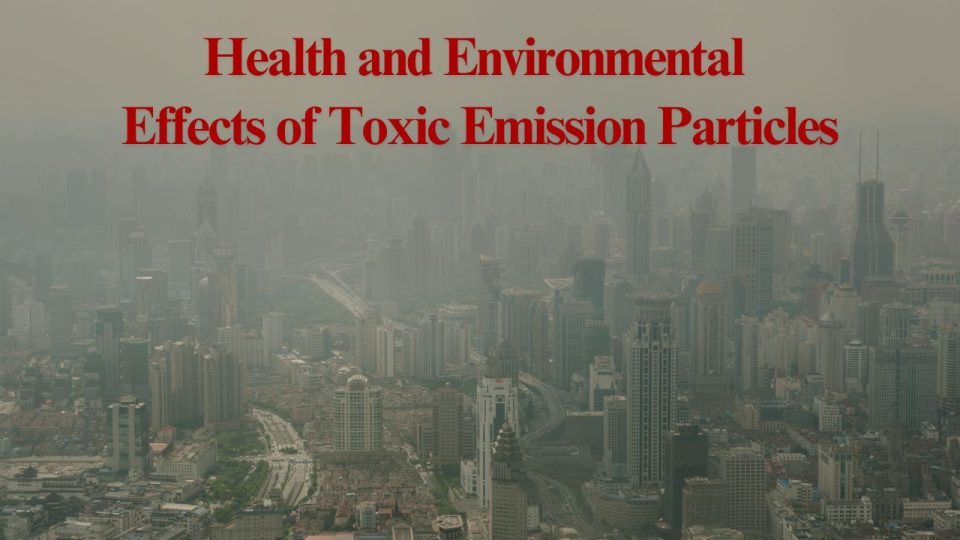
Health and Environmental Effects of Toxic Emission Particles
Toxic invisible emission particles are among the most dangerous pollutants affecting human health and the environment. These particles—often referred to as particulate matter (PM2.5, PM1, and ultrafine PM0.1)—originate from vehicle exhaust, industrial emissions, fossil fuel combustion, biomass burning, agricultural operations, and even natural sources like wildfires and volcanic activity. Their microscopic size allows them to remain suspended in the air for long periods and travel great distances. More importantly, they penetrate deep into the human respiratory system, reaching the alveoli and even entering the bloodstream. Once inside the body, they trigger oxidative stress, inflammation, and DNA damage that contribute to numerous health issues. The health consequences of exposure to invisible particulates include respiratory diseases such as asthma, chronic bronchitis, COPD, and reduced lung function. Cardiovascular impacts are equally severe: ultrafine particles increase the risk of heart attacks, arrhythmias, strokes, hypertension, and long-term arterial damage. Scientific evidence also links particulate exposure to neurological diseases by allowing toxins to cross the blood–brain barrier, triggering cognitive decline, memory loss, depression, and possibly contributing to Alzheimer’s and Parkinson’s. Pregnant women exposed to high particulate levels face elevated risks of premature birth and developmental disorders in infants. Some particles contain carcinogenic compounds that increase the likelihood of lung cancer and other cancers. Environmentally, invisible emission particles harm ecosystems by damaging plant leaves, reducing photosynthesis, and contaminating soil and water with heavy metals and toxins. In aquatic environments, particulate deposition leads to bioaccumulation and destructive algal blooms. Black carbon—a major component of particulate pollution—accelerates climate change by absorbing heat and increasing ice melt. Major sources include diesel vehicles, factories, coal power plants, household biomass burning, agriculture, waste incineration, and natural dust storms. Mitigating these effects requires cleaner energy systems, stricter emission regulations, modernized industrial technologies, adoption of electric transport, improved household ventilation, and expanded urban green spaces. Combating invisible particulate pollution is essential for safeguarding global health and environmental stability.
https://www.youtube.com/watch?v=FxIFtGVZ_Eg
