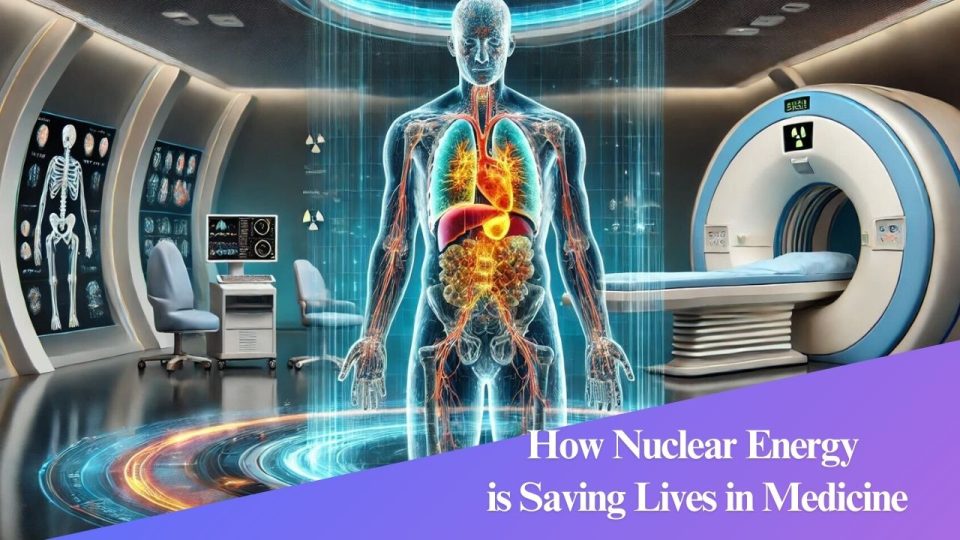
How Nuclear Energy is Saving Lives
Nuclear energy, commonly associated with power generation, has transformed modern medicine by offering powerful tools for diagnosis, treatment, and patient care. The medical applications of nuclear technology are primarily seen in nuclear imaging, radiotherapy, and radioisotope-based treatments, each playing a critical role in addressing life-threatening illnesses. Diagnostic methods such as positron emission tomography (PET) and single-photon emission computed tomography (SPECT) use radiopharmaceuticals to track biological processes, enabling early detection of diseases such as cancer, cardiovascular conditions, and neurological disorders. Unlike traditional imaging, these techniques provide functional insight at the cellular level, allowing for highly accurate and timely diagnoses. In treatment, nuclear energy is vital in oncology, where radiotherapy targets and destroys cancer cells while sparing healthy tissues. Internal approaches such as brachytherapy and radioimmunotherapy offer even greater precision. Nuclear medicine is also effective in treating thyroid disorders using iodine-131 and alleviating bone pain in patients with metastatic cancers. Cardiovascular medicine benefits from technetium-99m imaging, which is essential for identifying coronary artery disease. In neurology, PET scans assist in diagnosing Parkinson’s disease, Alzheimer’s, and epilepsy. Beyond direct diagnosis and treatment, nuclear techniques support medical sterilization by ensuring that surgical tools, implants, and other equipment are pathogen-free. The safe production and global distribution of radioisotopes remain challenges, but international collaboration is expanding access to these life-saving technologies. Overall, nuclear medicine has become indispensable in healthcare, combining accuracy, efficiency, and life-saving potential. By advancing the fight against cancer, cardiovascular disease, thyroid disorders, and neurological conditions, nuclear energy has redefined medical practice. As research progresses, the scope of nuclear medicine is expected to expand further, offering even more innovative applications for curing illnesses and improving global healthcare.
