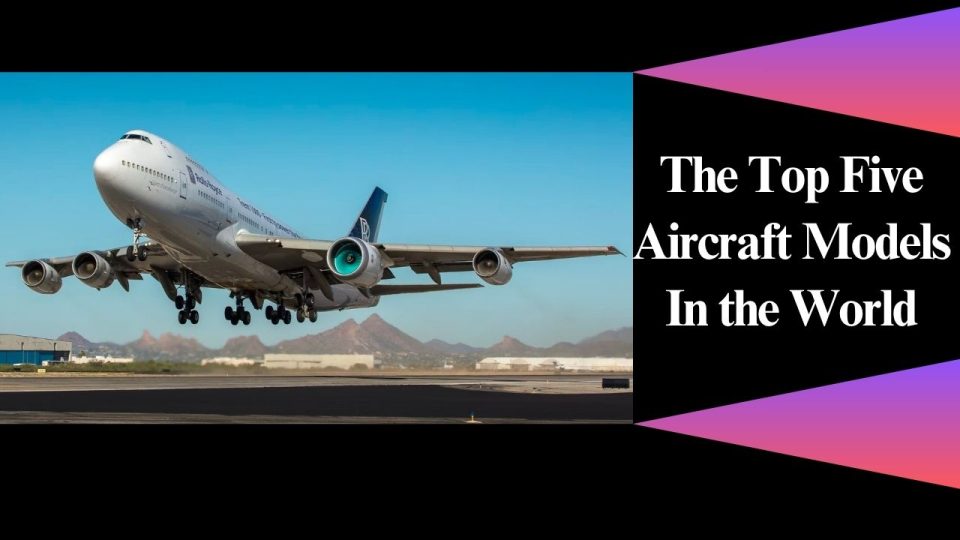
Top Five Aircraft Models in the World
Aviation has undergone extraordinary progress over the past century, with specific aircraft models setting benchmarks in commercial transport and military technology. This essay explores five of the most significant aircraft in modern aviation: the Boeing 747, Airbus A380, Boeing 787 Dreamliner, Airbus A350, and Lockheed Martin F-35 Lightning II. Each of these aircraft represents not only a technical triumph but also a response to the economic, environmental, and operational needs of the time. The Boeing 747, famously known as the “Queen of the Skies,” revolutionized long-haul travel by making intercontinental journeys accessible to millions, with its wide-body design and four-engine thrust. The Airbus A380, the largest passenger aircraft in service, pushed the boundaries of airport infrastructure and demonstrated the potential of double-deck airliners for high-capacity routes. In contrast, the Boeing 787 Dreamliner emphasized efficiency, utilizing advanced composites, fuel savings, and passenger comfort innovations to set new standards in sustainable travel. Similarly, the Airbus A350 built on efficiency, integrating lightweight structures, high-bypass engines, and long-range capabilities that make it a cornerstone of future air fleets. The Lockheed Martin F-35 Lightning II, a fifth-generation multirole fighter, showcases how military aviation has advanced in stealth, avionics, and multirole versatility. It underscores the critical role of aerospace in defense and strategic security, complementing the commercial developments of its civilian counterparts. Together, these five aircraft demonstrate how engineering innovation continues to redefine the skies—balancing efficiency, scale, safety, and power. They are not just machines of flight but symbols of global connectivity, technological ambition, and human progress.
