Paper Title: Effect of thermal and cool paints on energy consumption of residential buildings
Authors: Mokhtar Ahmadzadeh, Amirhossein Fathi
Corresponding Author: Amirhossein Fathi (afathi@shirazu.ac.ir)/Iran
Abstract
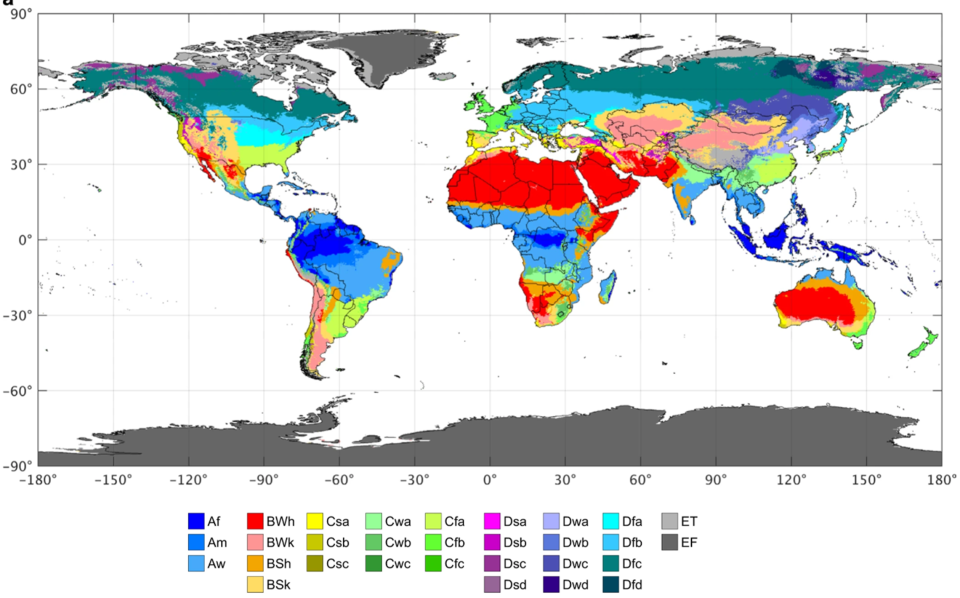
The paper aims to evaluate the technical and economic impact of cool and thermal paints on cooling and heating loads in different climates. To study the effect of thermal and cool paints, DesignBuilder software has been chosen. The sample under examination is a standard five-story residential building in Iran, where the ratio of painted wall area to total surface area is 49. In this building, the heating system is natural gas-based, and the cooling system is electricity-based, each with different prices and tariffs. The cooling and heating loads for three paint colors—black, gray, and white—on this building were examined in four cities: Bushehr, Shiraz, Tehran, and Tabriz, which have hot desert (BWh), hot semi-arid (BSh), and cold semi-arid (BSk) climates, respectively. According to the simulation results, cool paints have resulted in a 3% to 10% reduction in cooling load. The white paint has the highest percentage reduction in cooling load, and its impact on cooling load is greater in colder regions. Thermal paints have led to a 7% to 50% reduction in heating load, and according to the simulation results, the percentage reduction in heating load energy is greater in warmer regions.
Keywords
Cool paint, Energy efficiency in buildings, Heating and cooling loads, Residential Buildings, Thermal paint
Cite:
Ahmadzadeh, Mokhtar, and Amirhossein Fathi. 2026. “Effect of Thermal and Cool Paints on Energy Consumption of Residential Buildings”. Future Energy 5 (3):1-10. https://fupubco.com/fuen/article/view/938.
