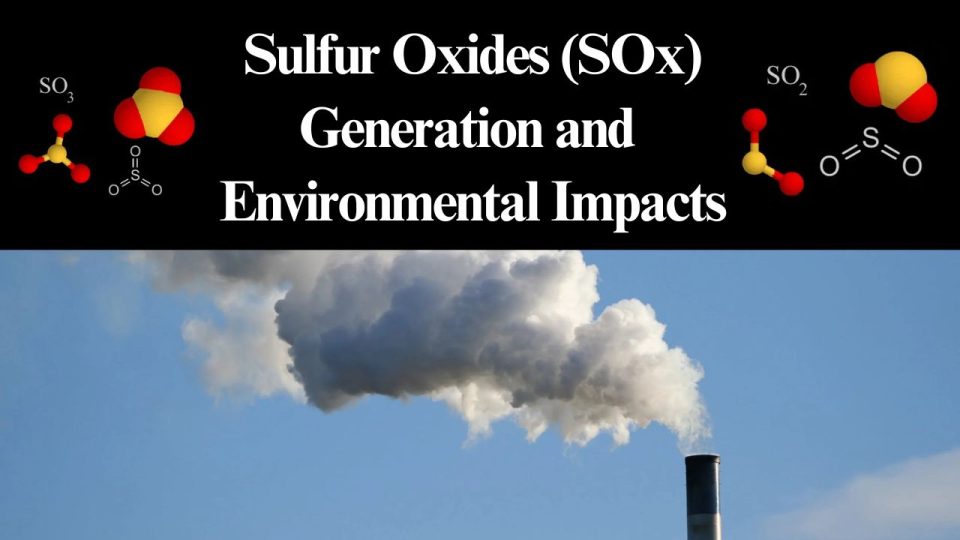
Sulfur Oxides (SOx) Generation and Environmental Impacts
Sulfur oxides (SOx), mainly sulfur dioxide (SO₂) and sulfur trioxide (SO₃), are harmful gases produced primarily from the combustion of sulfur-containing fossil fuels such as coal and oil. These gases are major air pollutants generated by industries like power generation, metal smelting, oil refining, and cement manufacturing, as well as the transportation sector, particularly maritime shipping and aviation. While SOx emissions from road transport have decreased due to cleaner fuels, ships often burn high-sulfur fuels, making them key contributors. SOx formation begins when sulfur in fuel oxidizes during combustion. These gases react in the atmosphere to form sulfuric acid and sulfate aerosols, leading to acid rain and fine particulate matter (PM2.5), both of which pose serious environmental and health risks. Acid rain damages soils, crops, forests, and aquatic ecosystems by lowering pH levels and releasing toxic metals. PM2.5 from SOx contributes to respiratory and cardiovascular diseases and can reduce life expectancy. SOx also reduces visibility and contributes to urban smog and regional haze. Despite a slight climate-cooling effect from sulfate aerosols, the overall environmental damage and health consequences make SOx emissions a critical concern. Technologies such as flue gas desulfurization (scrubbers), cleaner fuels like ultra-low sulfur diesel and LNG, and regulatory frameworks such as the U.S. Clean Air Act and IMO sulfur caps have helped reduce emissions. However, enforcement remains uneven globally. Continued efforts are needed to transition to cleaner energy sources, improve emissions control technologies, and enforce international environmental standards. Reducing SOx emissions is vital to protecting ecosystems, public health, and air quality, making it a central goal in the pursuit of sustainable industrial and transportation systems.
