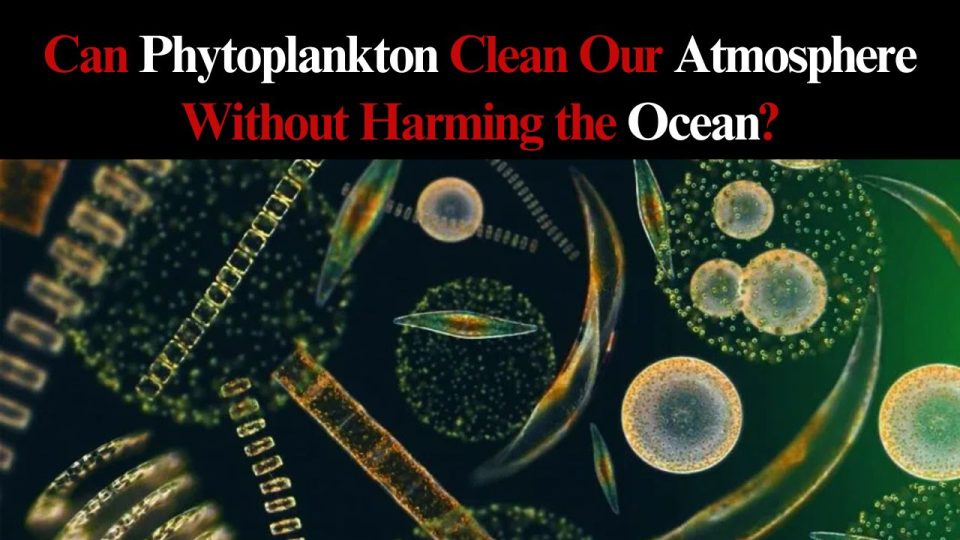
Phytoplankton are microscopic giants in the battle against climate change. Their ability to capture and sequester carbon dioxide, produce oxygen, and form the foundation of the marine food web underscores their ecological and atmospheric importance. The potential to manipulate phytoplankton populations through iron fertilization offers a tantalizing but contentious geoengineering solution. While the environmental risks and regulatory hurdles are significant, further research is essential to fully understand the benefits and limitations of leveraging phytoplankton for climate mitigation. As we seek sustainable and scalable solutions to reduce greenhouse gas concentrations, phytoplankton and their intricate interactions with the Earth’s systems offer both inspiration and caution. Unlocking their full potential without disrupting delicate marine ecosystems will require a combination of scientific innovation, environmental stewardship, and global cooperation.
Can phytoplankton clean our atmosphere without harming the ocean?