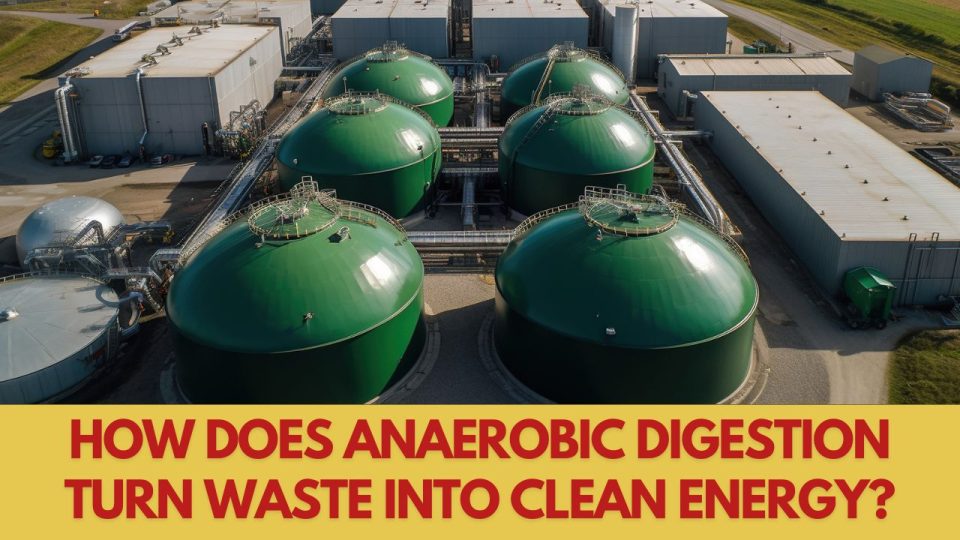
How does anaerobic digestion turn waste into clean energy?
Biogas is a renewable energy source produced through anaerobic digestion, where organic materials such as agricultural waste, food scraps, and manure are broken down by bacteria in oxygen-free environments. This process generates methane-rich biogas, which can be used for electricity, heating, or vehicle fuel. Anaerobic digestion also produces nutrient-rich digestate, useful as fertilizer. Unlike aerobic digestion, which requires oxygen, anaerobic digestion minimizes greenhouse gas emissions and energy use. While biogas has significant clean energy potential, managing emissions and waste can mitigate its environmental impact.
