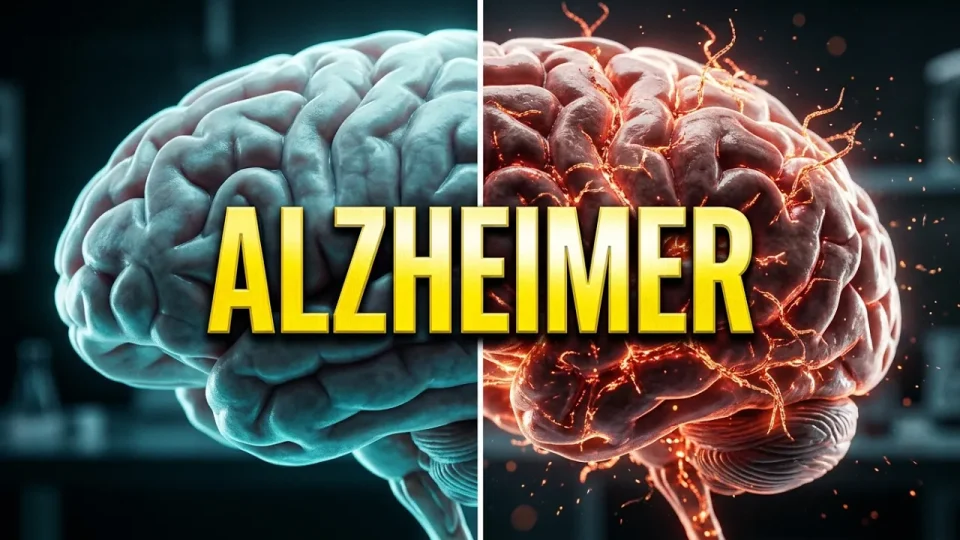
How Does Alzheimer’s Spread Through the Brain?
Recent scientific research demonstrates that misfolded human tau proteins from conditions like Alzheimer’s and corticobasal degeneration can trigger identical protein deformations in mice through templated seeding. By injecting these abnormal human proteins into the brains of live subjects, investigators observed the native animal proteins mimicking the specific structural architecture of the introduced material over several months. Microscopic analysis confirmed that the resulting atomic shapes precisely matched the original human pathology sources, such as specific neuron-only or mixed-cell accumulation patterns. Although these abnormal brain changes developed without causing outward physical symptoms, the findings establish a prion-like propagation mechanism in neurodegenerative tauopathies. While this process shows how distinct protein strains pass along structural blueprints within tissue, researchers emphasize that these conditions remain non-infectious between individuals. Ultimately, understanding these molecular pathways could eventually yield advanced approaches for diagnosing and treating various cognitive decline disorders.
